When it comes to adventure equipment, many enthusiasts believe that once they make a purchase, their gear is ready to go for years without any additional care. This misconception can lead to disastrous outcomes on the trail or during an expedition. In this article, we will explore the best practices for maintaining your adventure equipment, debunking common myths along the way to ensure you are well-prepared for your next adventure.
Myth: Adventure equipment doesn’t need regular maintenance.
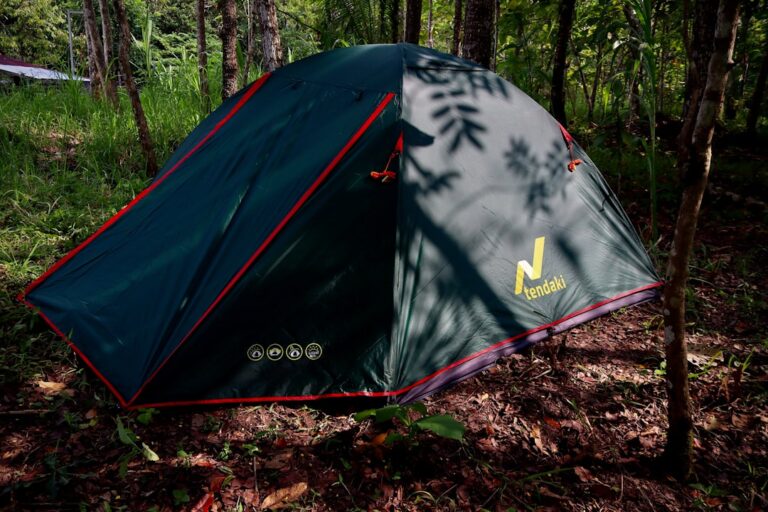
Truth: Just like any other gear, adventure equipment requires regular upkeep to ensure it performs optimally. Whether it’s a tent, backpack, or climbing gear, neglecting maintenance can lead to equipment failure when you need it most. For instance, tents should be cleaned and dried after each use to prevent mold and mildew, while climbing ropes should be inspected for frays and wear before every trip.
One of the first steps in maintaining your adventure gear is to understand the specific requirements for each type of equipment. For example, sleeping bags should be stored uncompressed in a cool, dry place to maintain their loft and insulation properties. Regularly washing your sleeping bag according to the manufacturer’s instructions can also extend its lifespan significantly.
Myth: You can wash all adventure gear in the same way.
Truth: Different materials require different care. While some items can be machine washed, others may need to be hand washed or require special detergents. For instance, waterproof jackets often need a specific type of wash to maintain their water-repellent finish. Always check the care label and follow the manufacturer’s recommendations to avoid damaging your gear.
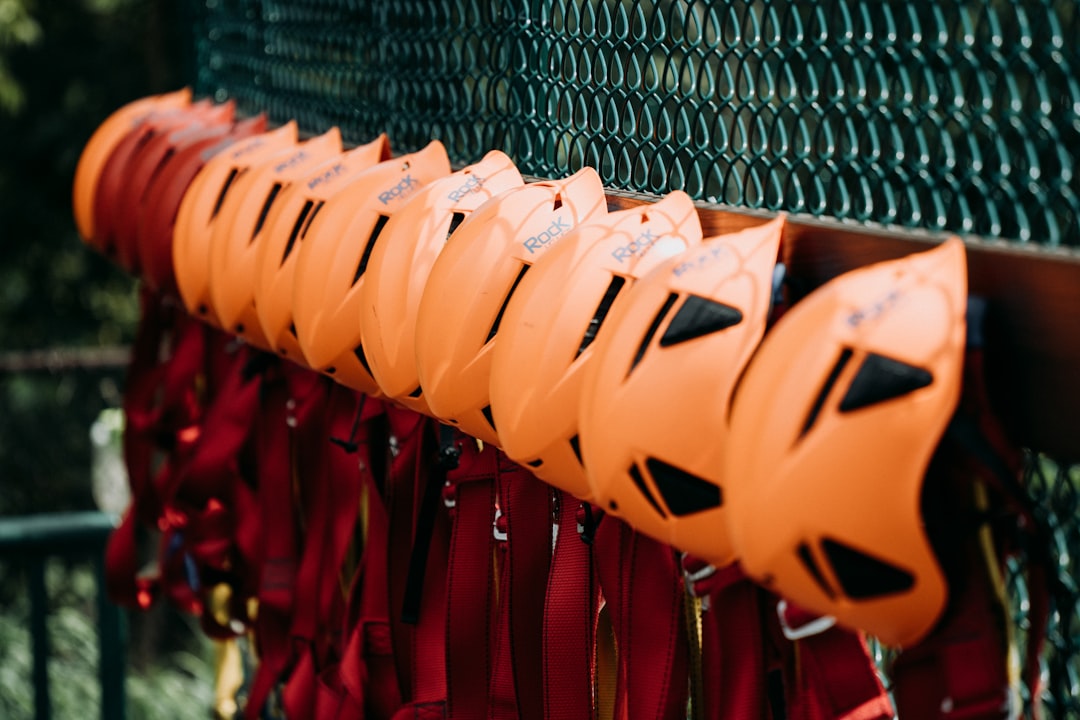
Another crucial aspect of maintaining your adventure equipment is proper storage. When you return from a trip, it’s tempting to toss everything into a corner and forget about it until the next adventure. However, this can lead to deterioration. Gear should be cleaned, dried, and stored in a cool, dry place, away from direct sunlight. For example, climbing harnesses should be stored flat and not folded to prevent creasing that can weaken the material.
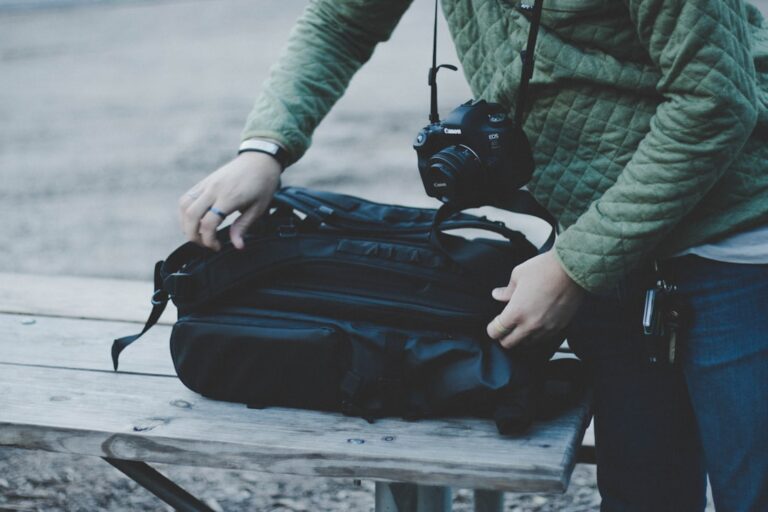
Regular inspections are also vital. Before each trip, take the time to check your gear thoroughly. Look for signs of wear and tear, such as frayed straps, broken buckles, or damaged zippers. Addressing these issues before they become serious problems can save you from a potentially dangerous situation in the field.
Additionally, consider investing in a repair kit. Many outdoor enthusiasts overlook the importance of having a repair kit on hand. A simple kit with duct tape, a needle and thread, and some patches can be a lifesaver in the event of a gear malfunction. Knowing how to make basic repairs can keep you safe and comfortable during your adventures.
Another common misconception is that high-quality gear doesn’t require maintenance. While it’s true that investing in high-quality equipment can lead to better performance and durability, even the best gear needs care. Regular maintenance can help you get the most out of your investment and ensure that your equipment lasts for many adventures to come.
In conclusion, maintaining your adventure equipment is not just about prolonging its life; it’s about ensuring your safety and enjoyment in the great outdoors. By debunking these myths and following best practices, you can keep your gear in top shape and ready for any challenge. Remember, a little care goes a long way in preserving the functionality and reliability of your adventure equipment. So, gear up, maintain well, and let the adventures begin!